Blog
New World Order: Exploring the Origins, Meanings, Conspiracies, and Global Impact
02
Jan
Jan
New World Order: Exploring the Origins, Meanings, Conspiracies, and Global Impact
Introduction
The phrase New World Order has captured global attention for decades. It appears in political speeches, conspiracy theories, religious discussions, academic debates, and popular culture. For some, the New World Order represents a hopeful vision of global cooperation, peace, and shared governance. For others, it symbolizes fear—a hidden agenda of elite control, loss of freedom, and centralized power.
Few terms are as controversial, misunderstood, or emotionally charged as New World Order. It has been associated with secret societies, global institutions, economic systems, wars, pandemics, and technological surveillance. The New World Order has become more than a political phrase; it is a lens through which many people interpret world events.
This in-depth blog post explores the New World Order in detail. We will examine its historical origins, political meanings, conspiracy theories, economic and technological implications, psychological appeal, cultural influence, and future possibilities. Whether you see the New World Order as a real political strategy, a conspiracy theory, or a symbolic concept, understanding it is essential in today’s interconnected world.
What Is the New World Order?
At its core, the New World Order refers to a proposed or perceived restructuring of global political, economic, and social systems. The meaning of the New World Order varies widely depending on context.
In mainstream political discourse, the New World Order often refers to:
Increased international cooperation
Global governance through institutions
Collective security and diplomacy
Economic globalization
In conspiracy theory contexts, the New World Order is described as:
A secret global government
Elite control over nations and populations
Loss of national sovereignty
Centralized power enforced through surveillance and force
The same phrase, therefore, carries radically different meanings, which is why it remains so controversial.
Historical Origins of the Term New World Order
The concept of a New World Order did not originate as a conspiracy theory. Historically, it has been used to describe major shifts in global power structures.
Early Uses of the Term
The idea of a “new order” dates back centuries. After major wars or revolutions, leaders often spoke of a new era or new world system.
Examples include:
The Roman Empire’s restructuring of Europe
The Peace of Westphalia in 1648
The French Revolution
The aftermath of World War I and World War II
Each period marked a reorganization of power, which could be described as a new world order.
New World Order in the 20th Century
The term gained widespread attention in the late 20th century, particularly after the Cold War. Political leaders used the phrase to describe a new era of global cooperation following decades of ideological conflict.
In this context, the New World Order referred to:
Reduced military confrontation
Stronger international institutions
Collective responses to global problems
However, this political usage would later become fuel for conspiracy interpretations.
The New World Order in Global Politics
In political theory, the New World Order often describes shifts in international relations and power balances.
Post–World War II Order
After World War II, a new global system emerged:
The United Nations was established
The International Monetary Fund and World Bank were created
New alliances and treaties formed
This post-war New World Order aimed to prevent global conflict and promote economic stability.
Post–Cold War New World Order
After the collapse of the Soviet Union, many believed the world was entering another New World Order—one dominated by globalization, free markets, and liberal democracy.
Supporters saw this as progress.
Critics saw it as domination by powerful nations and corporations.
The New World Order and Global Institutions
Global institutions are often central to discussions of the New World Order.
United Nations
The United Nations is frequently cited in New World Order debates. Supporters argue that it promotes peace, diplomacy, and human rights. Critics claim it undermines national sovereignty.
World Economic Organizations
Institutions like the IMF, World Bank, and World Trade Organization are seen by some as necessary for global economic coordination. Others view them as tools of elite control.
International Law and Treaties
Global agreements on climate, trade, and security are often interpreted through the lens of the New World Order—either as cooperation or as loss of autonomy.
New World Order Conspiracy Theories
The New World Order conspiracy theory suggests that a secret elite is actively working to establish a totalitarian global government.
Core Beliefs of New World Order Conspiracies
Most New World Order conspiracy theories include the following ideas:
A small group of elites controls world events
Governments are puppets, not independent actors
Wars and crises are engineered
Financial systems are used to enslave populations
Technology is used for mass surveillance
Individual freedoms will be eliminated
According to these theories, the New World Order is not a future plan but an ongoing process.
Secret Societies and the New World Order
Many conspiracy theories connect the New World Order to secret societies.
Groups often mentioned include:
Illuminati
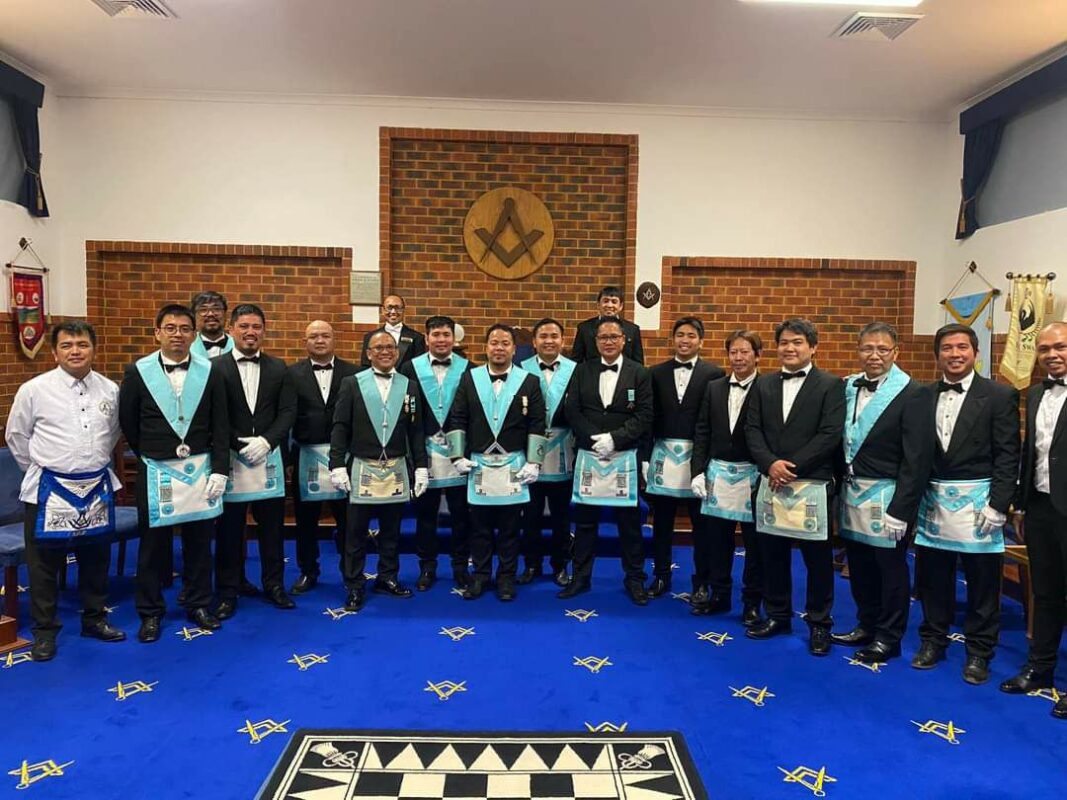
Freemasons
Elite political and financial families
Think tanks and private forums
While historians acknowledge that elite groups and private meetings exist, there is no verified evidence that a single secret organization controls the world.
The New World Order and Economic Control
Economic systems play a major role in New World Order discussions.
Globalization and the New World Order
Globalization is often described as a key component of the New World Order.
Supporters argue globalization:
Reduces poverty
Encourages cooperation
Expands opportunity
Critics argue globalization:
Concentrates wealth
Exploits labor
Weakens national economies
These criticisms fuel New World Order fears, especially in times of economic crisis.
Central Banking and Currency
Central banks, digital currencies, and cashless systems are often linked to New World Order theories.
Concerns include:
Financial surveillance
Control over personal spending
Loss of economic freedom
As technology advances, these fears continue to grow.
Technology, Surveillance, and the New World Order
Modern technology has intensified New World Order debates.
Digital Surveillance
Governments and corporations collect vast amounts of data. For critics, this represents a step toward New World Order–style control.
Artificial Intelligence
AI systems influence:
Employment
Security
Information access
Some fear AI could become a tool of centralized power in a New World Order system.
Social Media and Information Control
Algorithms shape what people see and believe. This raises concerns about psychological manipulation and narrative control.
The New World Order and Media Influence
Media plays a powerful role in shaping perceptions of the New World Order.
News framing influences public opinion
Entertainment embeds political themes
Repetition normalizes ideas
Some believe the New World Order is promoted gradually through media conditioning, while others argue this is a misinterpretation of cultural trends.
The New World Order in Popular Culture
The New World Order is a recurring theme in movies, books, music, and video games.
Common themes include:
Dystopian global governments
Loss of individuality
Technological domination
Rebellion against centralized power
These stories reflect societal fears and often reinforce conspiracy narratives.
Religious Perspectives on the New World Order
Religion plays a significant role in New World Order interpretations.
Biblical Interpretations
Some religious groups associate the New World Order with end-times prophecies, global deception, or spiritual opposition.
Moral and Ethical Concerns
From a moral perspective, critics fear the New World Order prioritizes control over compassion and efficiency over humanity.
Psychological Reasons People Believe in the New World Order
The New World Order is compelling for psychological reasons.
Fear of Loss of Control
In a complex world, the idea of hidden controllers provides a clear explanation for uncertainty.
Distrust in Authority
Historical examples of corruption make people skeptical of official narratives.
Pattern Recognition
Humans naturally connect events, even when connections may be coincidental.
Identity and Meaning
Believing in the New World Order can give people a sense of awareness and purpose.
Criticism of New World Order Theories
Critics argue that New World Order conspiracy theories often rely on:
Speculation rather than evidence
Misinterpretation of political language
Confirmation bias
Overgeneralization
While global power imbalances exist, most scholars reject the idea of a single, unified New World Order controlling everything.
The New World Order as a Metaphor
Some analysts interpret the New World Order as a metaphor rather than a literal plan.
In this view, the New World Order represents:
Globalization
Technological transformation
Changing power dynamics
Cultural shifts
This interpretation allows for critical discussion without assuming secret control.
The Internet and the Spread of New World Order Ideas
The internet has amplified New World Order discussions.
Online platforms enable:
Rapid sharing of theories
Echo chambers
Viral misinformation
Global communities
Social media has turned the New World Order into a constant topic of debate.
The Future of the New World Order
Whether real or symbolic, the New World Order concept will continue evolving.
Possible future developments include:
Increased global cooperation
Stronger digital governance
Greater surveillance concerns
Continued resistance movements
How societies balance freedom and coordination will shape the future meaning of the New World Order.
How to Think Critically About the New World Order
To approach the New World Order responsibly:
Evaluate sources carefully
Separate evidence from speculation
Understand historical context
Recognize psychological biases
Remain open but skeptical
Critical thinking is essential in navigating complex global narratives.
Conclusion
The New World Order is one of the most powerful and controversial concepts of the modern era. It exists at the intersection of politics, conspiracy theory, psychology, technology, and culture.
For some, the New World Order represents progress—global cooperation and shared responsibility. For others, it symbolizes fear—loss of freedom, identity, and control.
Whether understood as:
A political framework
A conspiracy theory
A cultural metaphor
Or a reflection of societal anxiety
The New World Order continues to shape how people interpret global events.
In a rapidly changing world, the challenge is not simply to accept or reject the New World Order narrative, but to think critically, stay informed, and engage responsibly with the forces shaping our future.
Knowledge, awareness, and independent thought remain the strongest safeguards—no matter what world order emerges next.
